Loading...
Serving Chula Vista, CA and surrounding areas. (858) 341-1003
Tired of steering around a rough spot every time you pull into your driveway? We fix potholes with hot-mix asphalt so you get a surface that stays smooth through rain and sun.
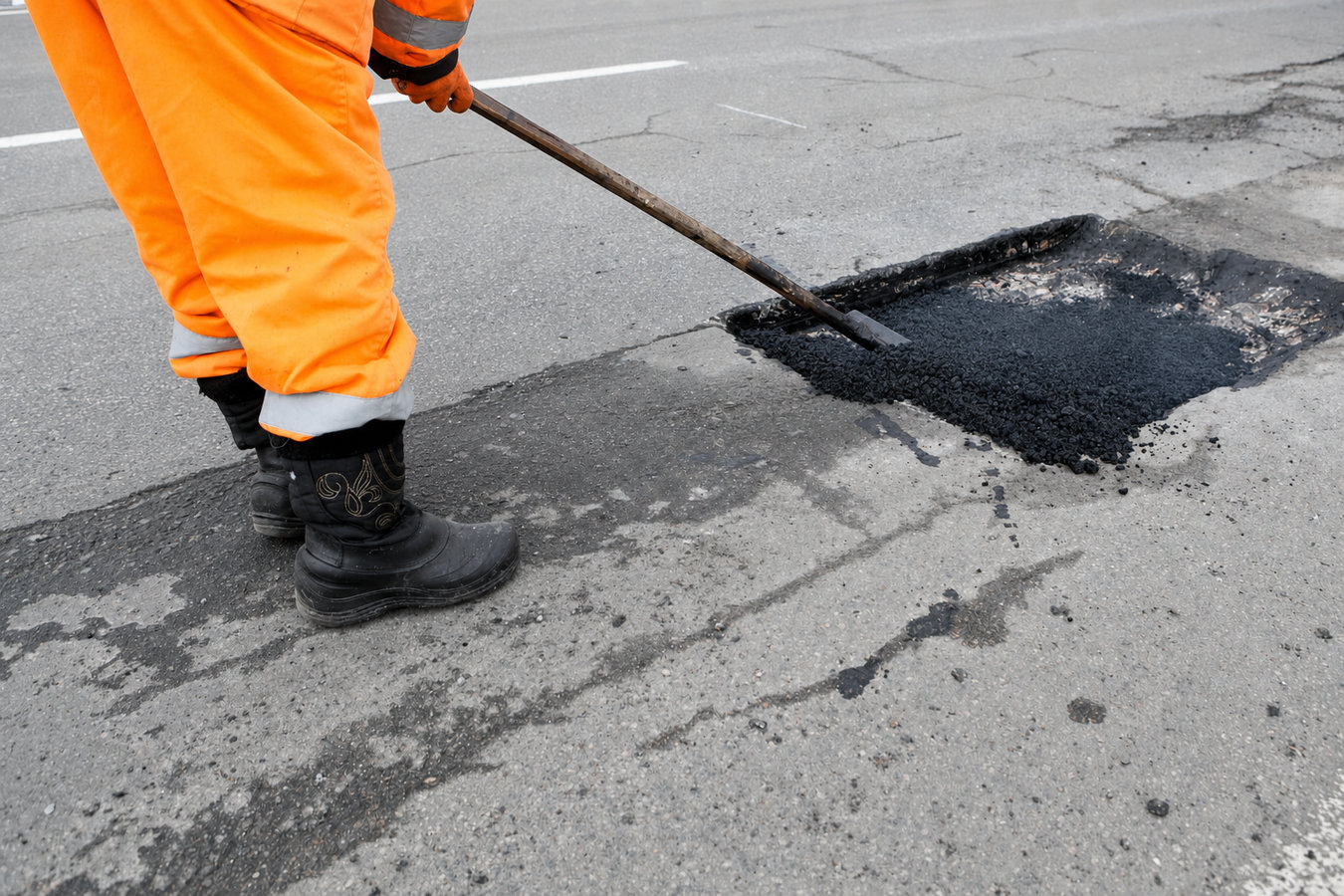
Pothole repair in Chula Vista means removing the loose, broken asphalt around the hole, cleaning out debris, and filling the void with fresh hot-mix asphalt that is then compacted flush with the surrounding surface - most residential repairs take a few hours or less and you can drive on the patch the same day.
In Chula Vista, potholes are rarely caused by freeze-thaw cycles. Instead, the real culprits are UV exposure, concentrated winter rain that seeps into existing cracks, and the clay-heavy soils that shift beneath the surface. Catching a hole early keeps the repair small. If the surface has begun cracking around the edges, pairing pothole work with asphalt repair across the broader area is often the right move.
A patch that fails quickly almost always failed because the damaged edges were not cut back far enough or the hole was not properly cleaned before filling. That extra prep step is what separates a repair that lasts years from one that crumbles in a season.
A clear hole, bowl-shaped depression, or chunk of missing asphalt is the most obvious sign. Left alone, the hole will grow - especially after Chula Vista's winter rains work their way in and loosen more material around the edges.
Sometimes a pothole starts as a network of cracks that collapse inward under vehicle weight. If a section of your driveway feels soft or springy when you drive over it, the material underneath may already be failing - and a full hole is not far behind.
Standing water that consistently collects in one area after rain is both a symptom and a cause of pavement damage. It accelerates breakdown of the asphalt binder, and a spot that holds water today is likely to become a pothole within a season or two.
If a previous repair is starting to lift, crack at the edges, or crumble away, it was likely done with cold-patch material or without proper edge preparation. A professional re-repair using hot-mix asphalt and correct edge cutting will last significantly longer.
We handle pothole repairs across driveways, parking areas, and private roads throughout Chula Vista and South San Diego County. Every repair starts with proper edge preparation - saw-cutting or milling back to solid material, removing all loose debris, and compacting the base before a single bucket of asphalt goes in. Hot-mix material is then placed and compacted in lifts until the patch sits flush and tight with no gaps at the edges.
For isolated holes, a targeted patch is usually the right answer. When the surrounding surface shows widespread cracking or multiple areas of soft pavement, we will discuss whether grading and excavation to address the base is a better long-term investment. We give you an honest assessment before recommending anything.
Best for homeowners with one or a few holes in an otherwise sound driveway surface.
Suited for commercial or multi-unit property owners who need isolated damage fixed without full-lot repaving.
Ideal when damage extends deep into the base layer and a surface-only fix would not hold.
Efficient for properties with several scattered holes, tackled in one mobilization to save time and cost.
Chula Vista sits in San Diego County's coastal zone, so the potholes here are driven by a different set of forces than in colder states. Intense UV exposure bakes the asphalt binder over long dry summers, making the surface brittle and prone to cracking. When winter rains arrive - concentrated in the November-through-March window - water finds those cracks, weakens the material underneath, and vehicle weight does the rest. Getting a pothole fixed between late winter and spring, after the rains but before peak summer heat, gives the patch the best conditions to cure and bond.
Clay-heavy soils found throughout much of Chula Vista - including neighborhoods in National City, CA and Spring Valley, CA - expand when wet and contract when dry. That seasonal movement stresses pavement from below, opening new cracks and eventually creating voids that become potholes. A repair that addresses the surface damage but ignores a compromised base will not hold through the next rainy season. We look at what is happening underneath before we fill anything.
Call or send us a message describing the number of holes, their size, and location. We reply within one business day and can often give you a ballpark figure over the phone or via photos before scheduling a visit.
We visit, measure the damage, check whether the surrounding pavement is solid enough to hold a patch, and check if any portion of the repair touches city right-of-way. You receive a written estimate before any work begins - no surprise charges.
The crew saw-cuts or mills out the damaged area to clean edges, removes all loose material, compacts the base if needed, then places and compacts hot-mix asphalt until the patch sits flush. A typical residential repair is usually completed in a few hours.
Hot-mix patches reach working strength quickly and most can be driven on the same day once the material has cooled. Your contractor will confirm the window based on that day's conditions. Avoid parking heavy vehicles directly on the fresh patch for the first day.
Licensed and insured. Written estimate before work begins. No pressure, no surprise charges.
(858) 341-1003We use hot-mix asphalt on every repair - the same material used on new driveways. Cold-patch products from a hardware store do not bond to existing asphalt the way hot-mix does and tend to crumble within a year or two under Chula Vista's UV exposure.
We saw-cut or mill back to solid material before placing any asphalt. That extra prep step is what makes a patch last - a patch poured into ragged edges will crack at those edges within one rainy season. We have followed this process on every repair since 2018.
California requires paving contractors to hold a current state license before working on your property. You can verify our license status directly on the CSLB website before hiring us - no guessing.
Chula Vista's clay soils shift with seasonal moisture, and recurring holes in the same spot usually signal a base problem. We check what is happening underneath before recommending a fix, so you are not paying to patch a surface that will fail again in six months.
A proper pothole repair is not complicated, but it does require doing a few things right - the right material, the right prep, and an honest read on what is causing the damage. That combination is why our repairs hold through multiple rainy seasons while cold-patch jobs need redoing every year.
When recurring potholes point to a base or drainage problem, proper grading and excavation fix the root cause before new asphalt goes down.
Learn MoreBroader surface damage - cracks, alligatoring, and soft spots across a larger area - calls for full asphalt repair rather than targeted pothole patching.
Learn MoreBefore the next rainy season turns a small hole into a much bigger repair bill, let us get it fixed right with hot-mix asphalt and proper edge preparation.